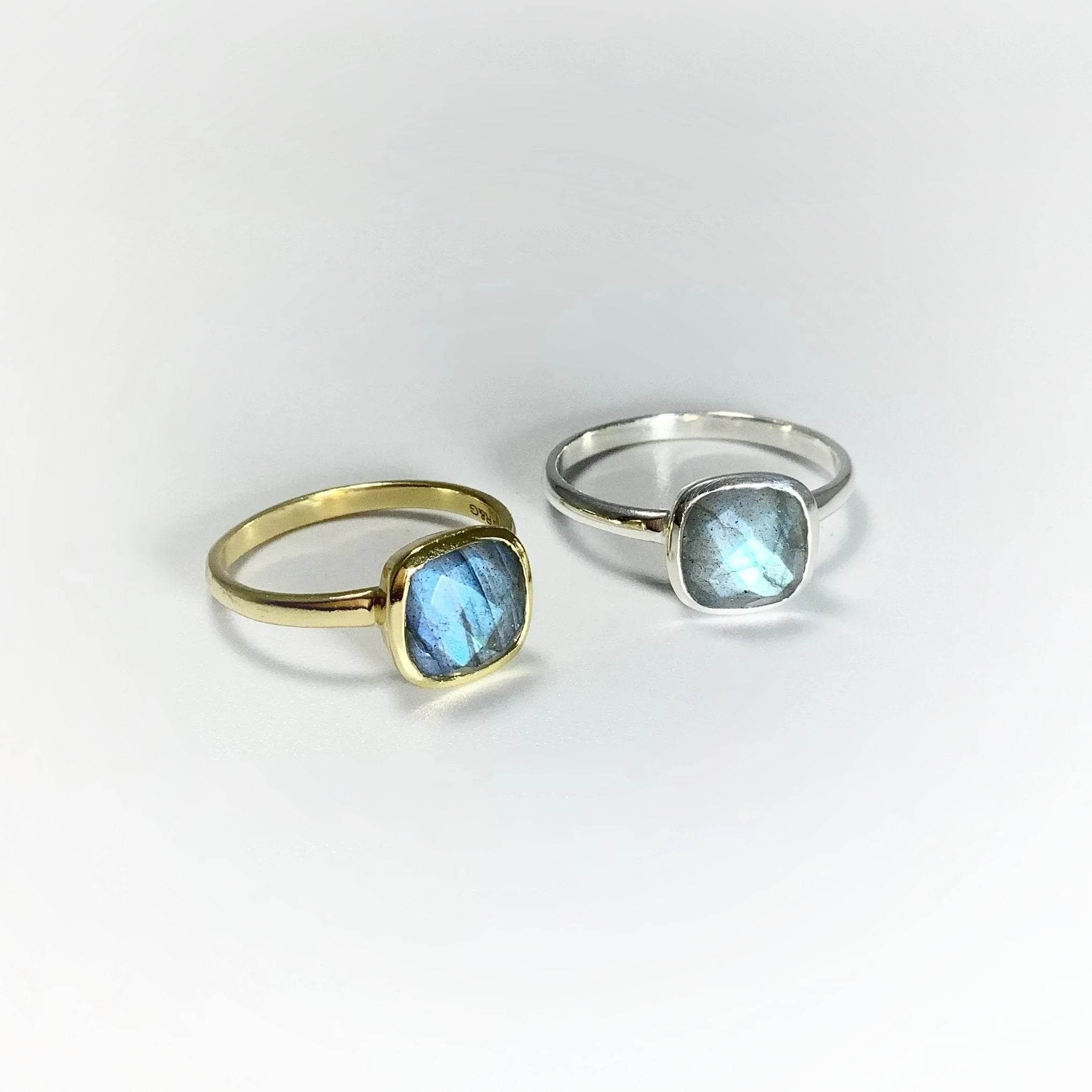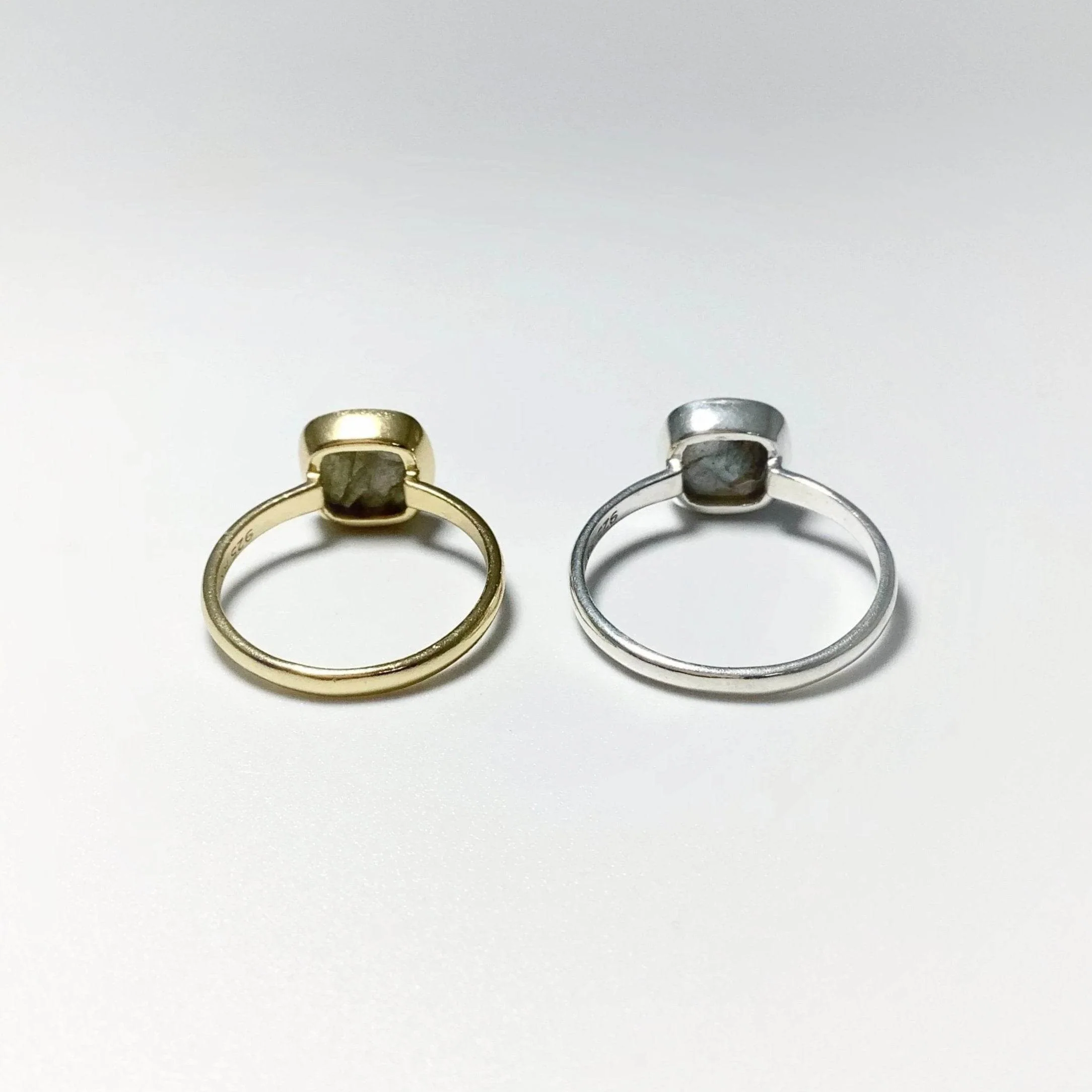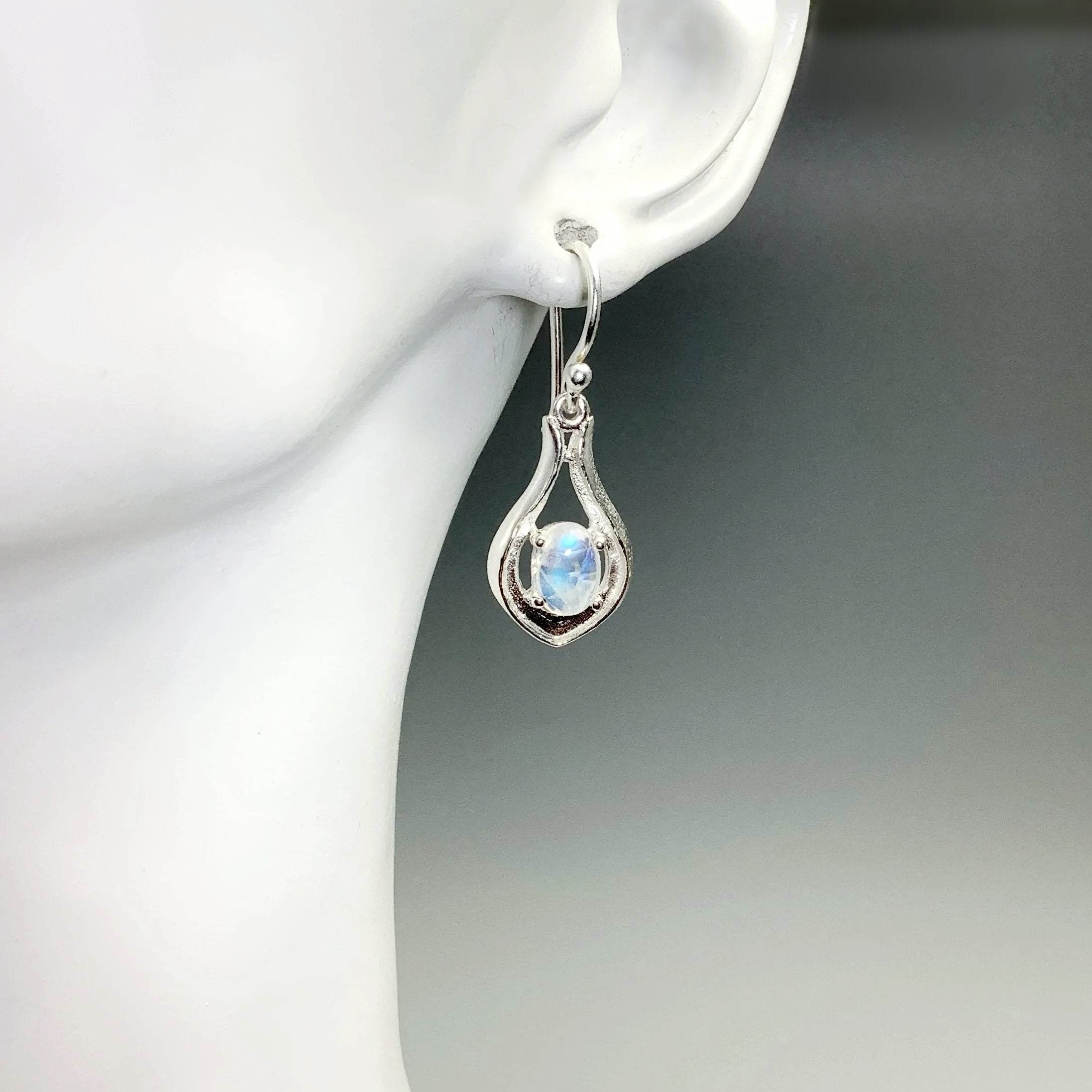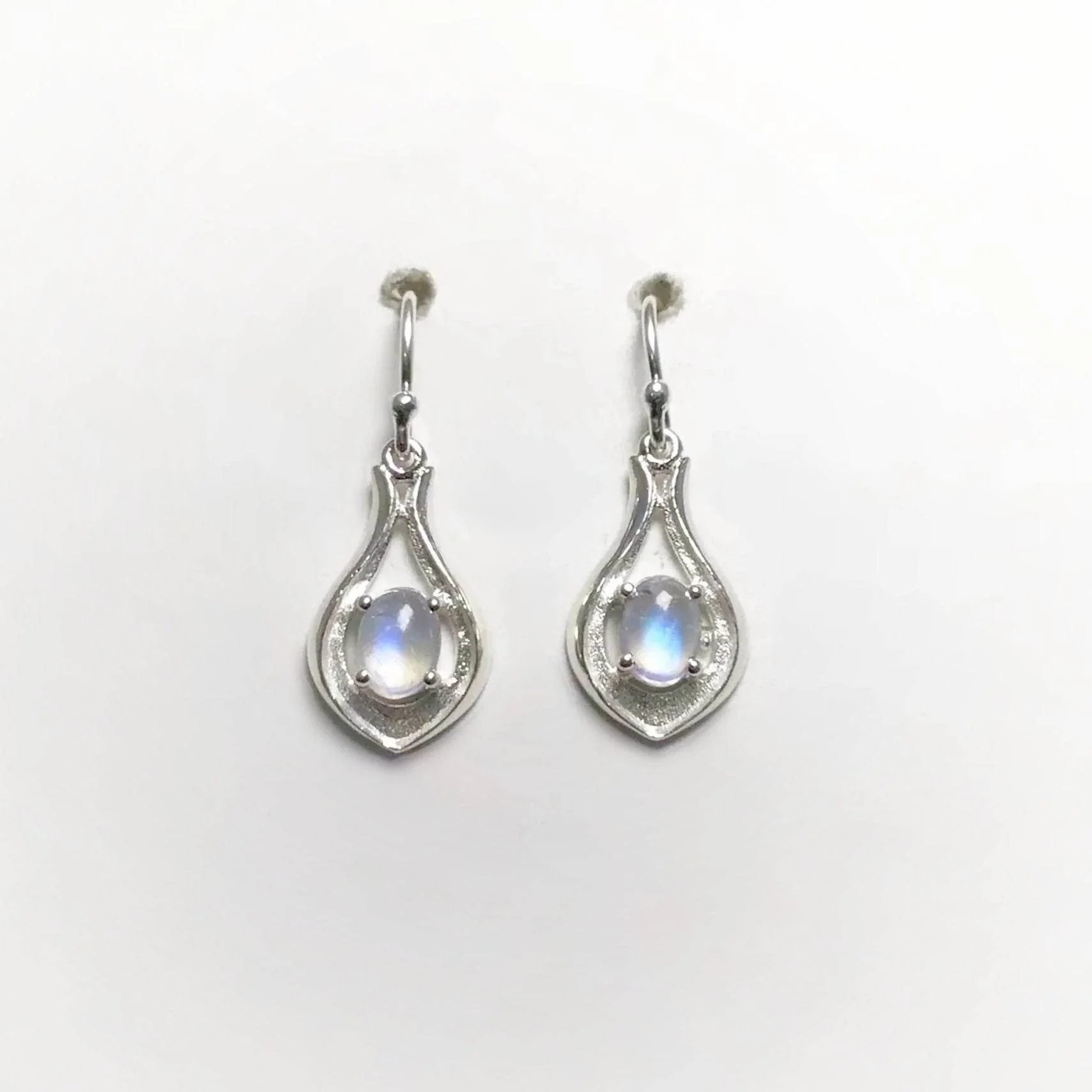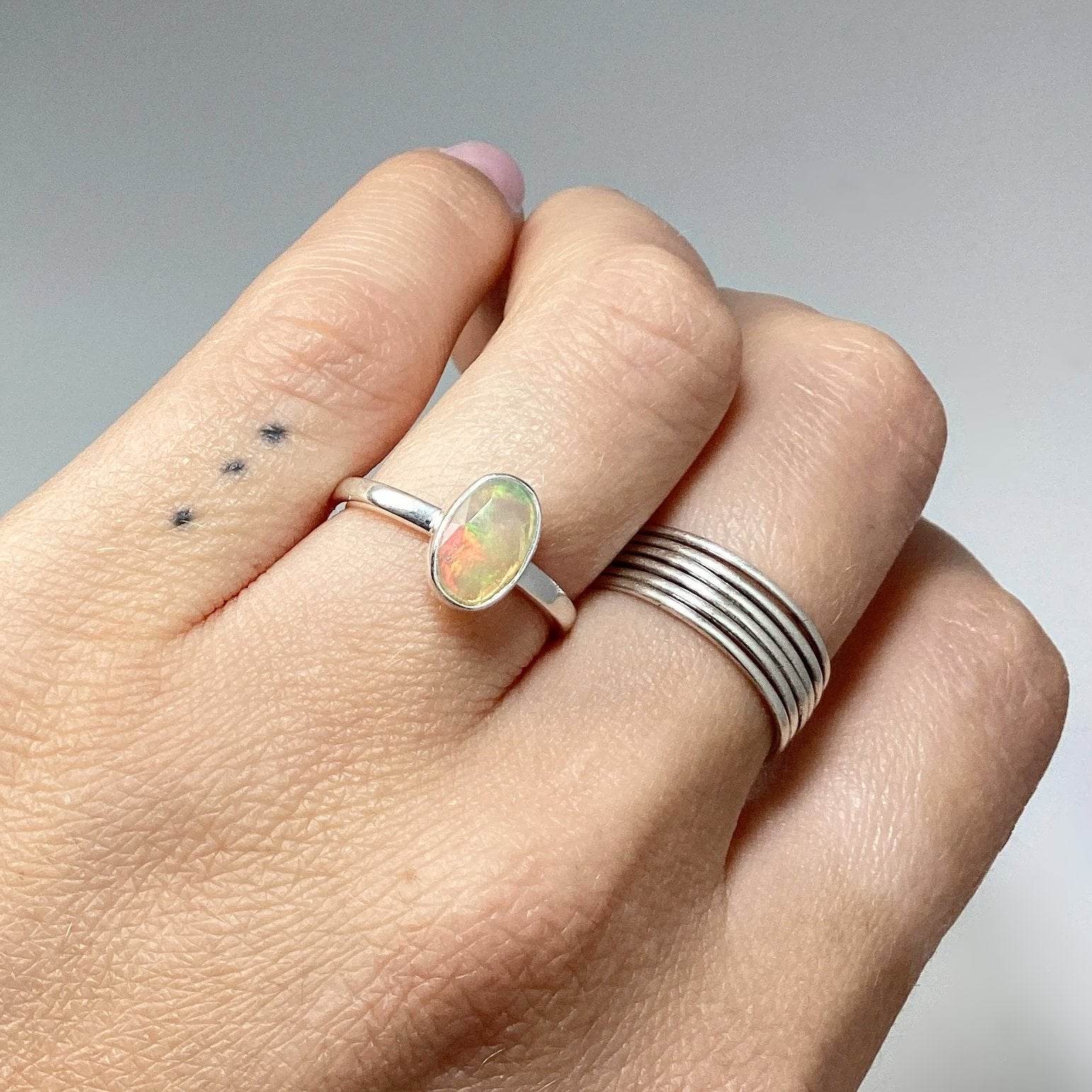
Ethiopian Fire Opal Ring
Fire opals are unique in the lush world of the opals. Fire opals are often red, orange, green, blue, and purple or gold. They are named for their fiery colour. The colour itself comes from fine traces of iron oxide, along with other minerals. The fire is caused by light passing through the microstructures of the opal that diffract and reflect light to create a play of color. Fire opals consist of silicic acid with a relatively high water content, sometimes as much as 3% to 10% water make up the opal. It is believed the gems were formed by hot water rich in iron and other minerals that enter a cavity and form the opal over time.
Fire opals are unique in the lush world of the opals. Fire opals are often red, orange, green, blue, and purple or gold. They are named for their fiery colour. The colour itself comes from fine traces of iron oxide, along with other minerals. The fire is caused by light passing through the microstructures of the opal that diffract and reflect light to create a play of color. Fire opals consist of silicic acid with a relatively high water content, sometimes as much as 3% to 10% water make up the opal. It is believed the gems were formed by hot water rich in iron and other minerals that enter a cavity and form the opal over time.
Description
Fire opals are unique in the lush world of the opals. Fire opals are often red, orange, green, blue, and purple or gold. They are named for their fiery colour. The colour itself comes from fine traces of iron oxide, along with other minerals. The fire is caused by light passing through the microstructures of the opal that diffract and reflect light to create a play of color. Fire opals consist of silicic acid with a relatively high water content, sometimes as much as 3% to 10% water make up the opal. It is believed the gems were formed by hot water rich in iron and other minerals that enter a cavity and form the opal over time.